Explore custom home construction
Your Trusted Building Professional for Quality Dwelling Enhancements
A reliable general contractor plays an essential part in home improvement projects. Their knowledge ensures projects are finished with accuracy and care. By emphasizing quality materials and craftsmanship, they improve both aesthetics and value. Open communication and thorough preparation are essential for a smooth process. However, many homeowners overlook important considerations when choosing a builder. Understanding what to prioritize can make a significant impact in attaining a completed project. What should homeowners think about first?
Key Points for Finding a Credible General Contractor
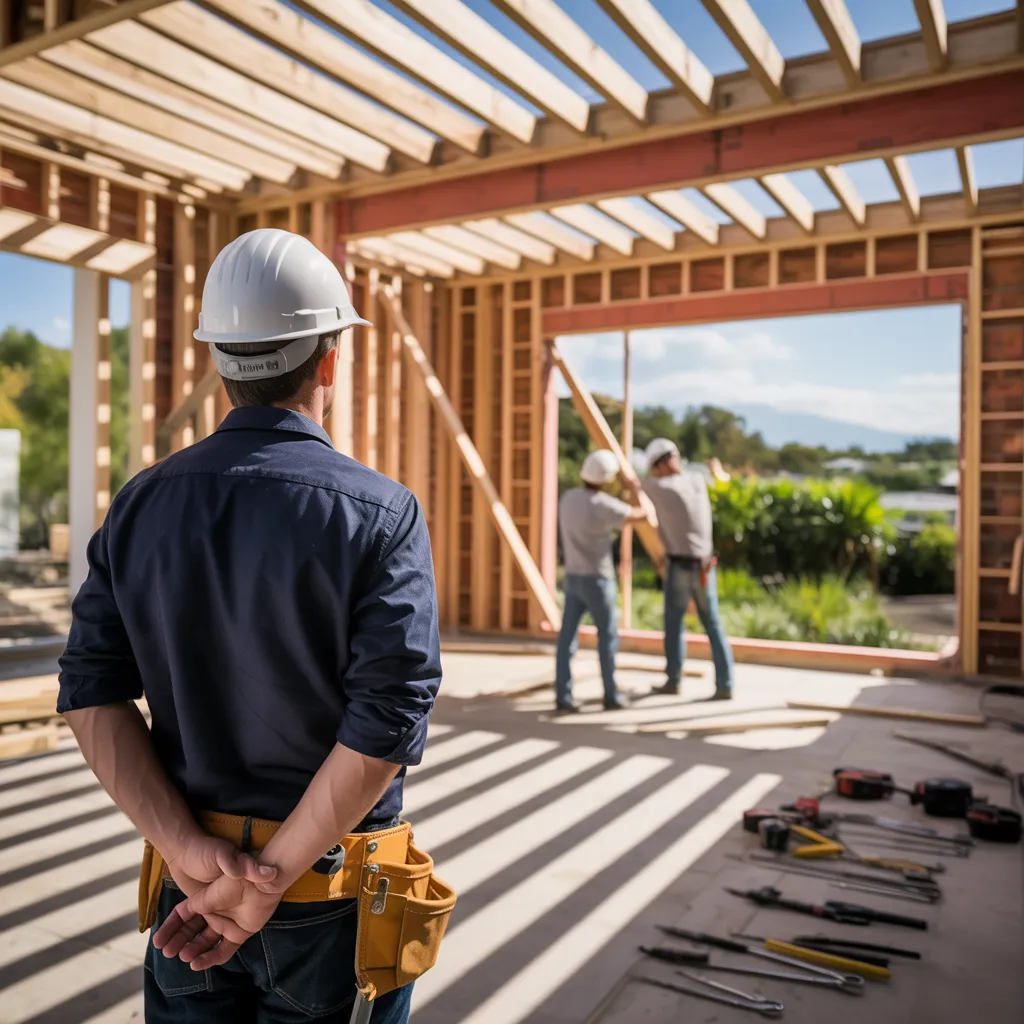
When beginning a home renovation undertaking, how can one ensure they select a reliable general contractor? First, people should request recommendations from friends, family, or online reviews to find potential candidates. It is crucial to confirm credentials, including permits and coverage, ensuring the contractor meets local regulations. Next, examining past work through project galleries or client testimonials provides insights into the contractor's craftsmanship and reliability.
Furthermore, getting multiple quotes can assist in establishing fair rates and work timelines. Interpersonal skills are also vital; a contractor should be open and approachable to inquiries. Moreover, a comprehensive agreement specifying project parameters, deadlines, and payment schedules safeguards both parties involved. Ultimately, rely on your gut feeling; if a contractor appears amateurish or unclear, it could signal future issues. By following these guidelines, homeowners can greatly increase their chances of selecting a reliable general contractor, leading to successful home improvement projects.
Why a Local General Contractor Is Your Ideal Choice
Selecting a area general contractor can greatly enhance the positive outcome of home improvement projects. Territory contractors retain valuable familiarity of the district, involving building codes, ordinances, and zoning laws, verifying compliance and efficiency. Their developed ties with providers and subcontractors can lead to competitive rates and ready availability to supplies and trained workers.
Moreover, local contractors often maintain a reputation to copyright in the locality, pushing them to deliver excellent work. This level of responsibility generates trust and confidence among residents.
Furthermore, location permits quicker communication and faster response times, which can be critical during a project. Homeowners can also get recommendations from neighbors or friends who have prior experience with the contractor, affording peace of mind. Overall, choosing a local general contractor not only aids the community but also boosts the overall quality and experience of home improvement pursuits.
Embark on Your Home Improvement Adventure with This Step-by-Step Guide
Starting a home improvement project demands thorough preparation and execution. Creating a project timeline is vital to ensure that tasks are completed promptly, while choosing quality supplies can greatly influence the project's result. This guide will detail these crucial procedures to help homeowners manage their improvement journey effectively.
Establishing Your Project Timeline
An organized project timeline is essential for effective home improvements, making sure that each phase is completed efficiently. Initially, homeowners should outline the project's scope, setting specific goals and expected outcomes. Following that, they should work with their general contractor to create a feasible timeframe considering the project's complexity and necessary tasks. Dividing the project into smaller phases supports improved tracking and adjustments when needed. It's also crucial to plan for potential delays, like weather conditions or supply chain issues, which could delay the schedule. Regular meetings with the contractor help avoid delays. Ultimately, having a clear timeline improves communication and manages expectations, resulting in a more streamlined home improvement experience.
Assessing Quality Resources
Emphasizing on excellent materials greatly determines the end result of home improvement projects. To start, occupants should identify the particular requirements more information of their project, considering elements including durability, aesthetics, and financial plan. Exploring various material options is crucial; this means understanding the advantages and disadvantages of each. Engaging with professionals can provide meaningful insights on proven makers and suppliers.
Next, property owners should ask for samples to assess the look and feel of materials firsthand. Contrasting prices across various suppliers can help guarantee competitive pricing without sacrificing quality. Finally, verifying that materials comply with local building codes is crucial for safety and compliance. By thoughtfully selecting materials, homeowners can improve both the durability and aesthetic value of their renovations, ultimately increasing the worth to their property.
Express Your Vision Like a Pro
Successful home renovations often copyright on the ability to convey a distinct vision. Homeowners should articulate their ideas, tastes, and requirements, ensuring that they convey their desires effectively to their general contractor. A well-defined vision not only helps in matching the contractor's plans with the homeowner's goals but also streamlines the planning process.
Visual tools like drawings and inspiration boards can greatly enhance communication. They offer a tangible reference that illustrates style, color schemes, and layout preferences. Additionally, engaging in open dialogue promotes teamwork, enabling the contractor to request clarification and share expertise.
Setting realistic schedules and budgets is equally critical. Occupants should prepare to discuss constraints candidly to circumvent misunderstandings later. Ultimately, communicating a vision with clarity and poise empowers both parties, clearing the way for triumphant project implementation and pleasing results in residential renovation ventures.
The Essential Nature of Excellent Materials and Craftsmanship
For building projects, picking durable materials has a major impact on a project's endurance and effectiveness. Of equal importance is skilled craftsmanship, which makes certain materials are applied efficiently. When combined, high-quality materials and professional expertise generate results that withstand time.
Long-lasting Material Options
A well-selected range of resilient materials can considerably affect the longevity and beauty of home improvements. Superior materials not only boost the look of a space but also assure that renovations withstand the test of time. Homeowners should focus on materials with tested resilience, such as hardwood, stone, and high-grade metals, which defend against wear and tear and environmental damage. Additionally, opting for materials suited to the local climate can eliminate issues like rot or corrosion. Committing funds in sturdy options may require a higher upfront cost, but the long-term benefits—fewer repairs and replacements—make it a prudent choice. Ultimately, the right materials boost a home's value and overall satisfaction for years to come.
Why Professional Artistry Counts
Quality craftsmanship plays a crucial role in the success of home improvements, complementing the selection of resilient materials. Expert artisans guarantee that every component of a project is executed with exactness, improving both operational capacity and appearance. Close attention in construction, from framing to finishing touches, adds significantly to the lifespan and operation of home features. Quality craftsmanship not only shows a commitment to outstanding quality but also prevents future issues, such as integrity concerns or aesthetic flaws. Additionally, veteran professionals grasp the nuances of various materials, making certain they are applied effectively. Ultimately, choosing skilled artistry leads to a more gratifying and lasting result, enhancing the overall value of the home and the homeowner's experience.
Frequent Renovation Blunders and How to Evade Them
A large number of property owners experience pitfalls in home remodeling that can cause costly delays and dissatisfaction. An common oversight involves underestimating the financial requirements. Without a detailed budgetary plan, unexpected expenses can arise quickly, jeopardizing the undertaking. In addition, omitting to obtain compulsory licenses could result in penalties and project halts, making difficult the renovation sequence.
Making hasty decisions represents another common error. Quick choices about design and layout may lead to regrets in the future. Homeowners frequently overlook the importance of hiring qualified professionals, which can compromise the quality of work and standards for safety.
At last, ineffective communication with contractors can produce confusion and letdowns. To prevent such issues, homeowners should highlight meticulous planning, acquire the required permits, choose proficient professionals, and keep ongoing dialogue throughout the remodeling process. By addressing these standard errors, homeowners can ensure a more pleasant and efficient renovation outcome.
What Supplies Should You Pick for Your Renovation?
How can property owners guarantee they select the right materials for their remodeling work? First, they should assess the particular requirements of the space, taking into account factors such as functionality, aesthetics, and longevity. Researching different options is crucial; homeowners should compare options based on their appropriateness for the intended use and local climate conditions.
Collaborating with a trusted general contractor can furnish valuable insights into decision options, assuring decisions adhere to both budget and design goals. Likewise, homeowners should champion sustainability by assessing eco-friendly materials that mitigate environmental impact.
Ultimately, assessing specimens can assist in making informed decisions, enabling property owners to visualize how products will look and feel in their space. By adhering to these guidelines, property owners can securely select materials that enhance their remodel while guaranteeing quality and longevity.
Frequently Asked Questions
How Should I Validate a Contractor's Licenses and Insurance?
To confirm a contractor's licenses and insurance, one can check state regulatory agencies and insurance providers. Moreover, asking for documentation of licenses and insurance directly from the contractor ensures authenticity and adherence to regulatory requirements.
What Constitutes the Common Work Timeline for House Remodeling Projects?
The standard schedule for home improvement undertakings varies, often ranging from a few weeks to several months, depending on the complexity of the project, scale, and necessary permits. Communication with the construction professional can help determine a more accurate timeline.
May I Reside in My Home While Renovations Are Underway?
Yes, one can live in a home during renovations, though it often relies upon the scope of the project. Minor renovations may permit continued occupancy, while major work might require temporary displacement for safety and comfort.
Which Payment Forms Do Contractors Commonly Accept?
Contractors typically welcome a variety of payment methods, such as cash, checks, credit cards, and digital payment platforms. Some may also provide financing options, enabling clients versatility in managing renovation costs and payment schedules.
What Methods Should I Follow to Resolve Disputes With My Project Manager?
To tackle disagreements with a contractor, one should express yourself plainly, document each transaction, and reach settlement through mutual negotiation. If continues unaddressed, dispute resolution or legal proceedings may be mandatory to protect one's interests appropriately.